Research- Magazine Sub-genre
1/16
Good Morning Blog! Today in class, we were assigned to continue genre research and start considering sub genres. By definition, a sub-genre is a category that exists within a broader "parent" genre. The main genre is supposed to you the general mood of the magazine, the sub-genre is suppose to enhance the information by giving an "how". Choosing the correct sub-genre is SUPER important because what you pick must act as a bridge between writer and target audience.
If you read my last entry you would know that my top three contenders for the my magazine is Fashion, Travel, and Fitness. I think I can official rule out travel, so today I will be researching possible sub-genre for Fashion and Fitness. For fitness I am thinking lifestyle, I have a couple of ideas for this, I was thinking I could do the feature article of this new gym that has recently opened up. I would also incorporate the best recommend creatine and pre-workout for enhance your workout, as well as the most effective exercise vs non effective workouts. Next for fashion I was thinking the sub-genre I could do luxury fashion. I only had a couple of ideas for this one, I was thinking that I could do a some articles on coaches bags to fit into the luxury category.
Fitness Lifestyle
I have conducted some background research. All fitness lifestyle magazines have four main components, the first one is they all have the physical activity section. In this section they provide basic "structured" workouts, they usually we go over cardio, strength training and flexibility. The next one they always have is nutrition, they focus on the saying "food is fuel". They write about healthy balanced meals like protein and carbs to maximize your workout. The third core component is recovery time, a basic fitness lifestyle prioritizes 8-10 hours of rest, making you are ready to crush your workout. Lastly, the focus on mental health, your body is only as strong as your mind. They include stress-relief techniques like mediation and journaling.
1900 As the second part of my research I have decided to look at how l fitness lifestyle has evolved and changed over the years. The earliest I could find was the early 1900, this was considered the rise of physical culture. These magazine were pretty different from what we see today, instead of focusing on "getting muscles" it was more focused on being a strong capable human being. Exercise was often paired with fasting and natural remedies.
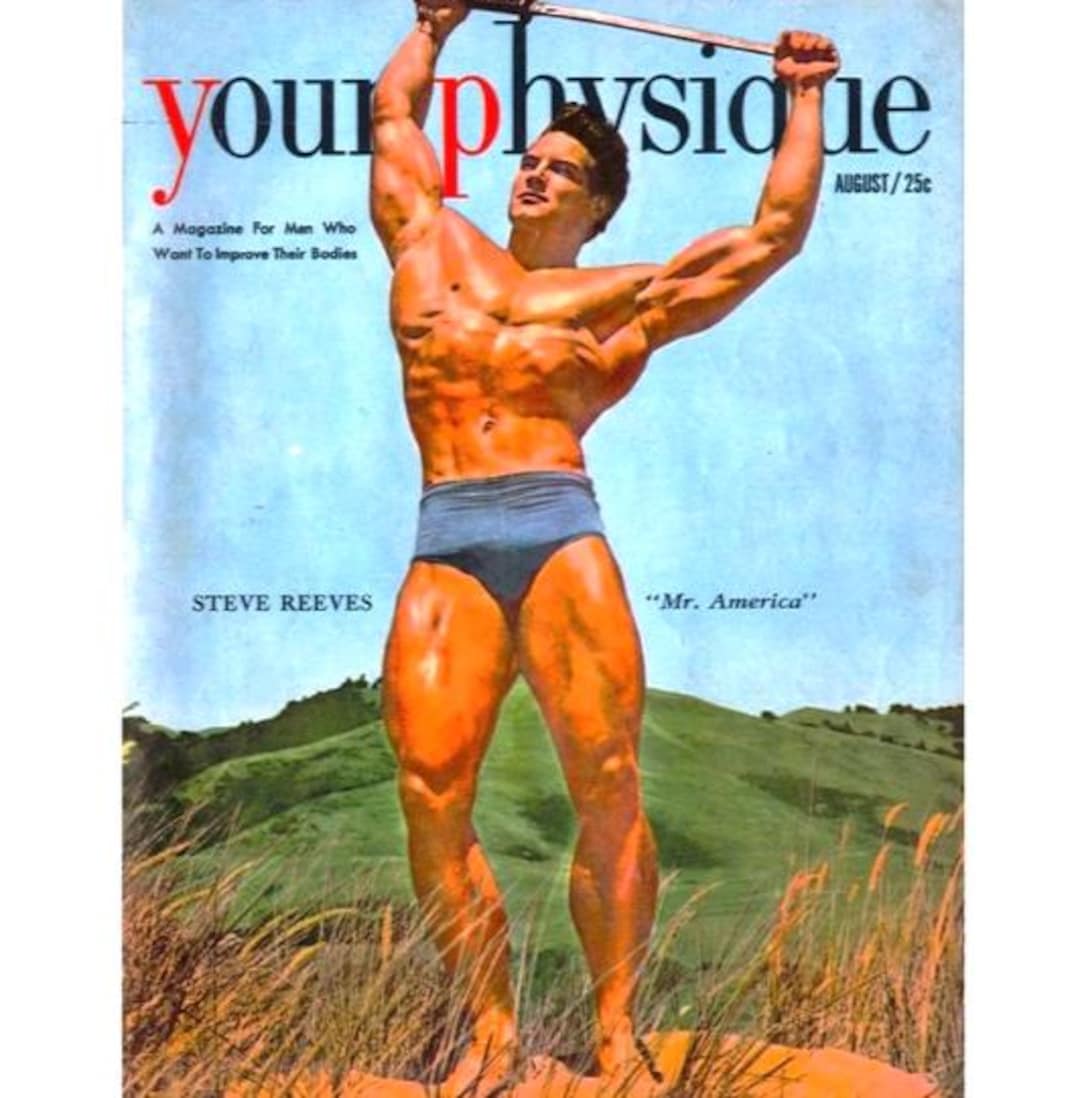
1950 After World War 2 the focus 'strong capable' humans shifted into strength and bodybuilding. The 'ideal' man was no longer scrawny but now a strong man. This is also where to start to get the first lifestyle magazine, they were revolutionized the industry by using photo-essays to tell stories about everyday American life.
1980 This was considered the aerobics boom, magazines focused on neon spandex and celebrity pre recorded workouts tapes. In 1997, magazines like Oxygen launched. This was revolutionary because it was the first time a mainstream women's magazine focused on lifting heavy weights and having muscle, rather than just being "thin" or doing light aerobics.
2000 In the early 2000, we moved from generalized "gym" magazines to specialized magazines like CrossFit or Bodybuilding. Other forms of fitness like yoga and pilates started growing fast fame. In the 2000's, diet culture in magazines reached an intense peak. Unlike today’s focus on "wellness" and "strength," the 2000s were dominated by a "thin-at-all-costs" mentality. There would be feature articles on "hidden calories" and "diet" food.
2020 Now we see fitness magazines focusing more on mental health and low impact training like walks, runs, etc. We have also seen many magazine take more of a scientific approach for example we see certain articles the focusing heavily on benefits of cold plunges and how to improve your HRV.
Fashion Luxury
Often, Fashion Luxury serve at "gatekeepers" of high fashion, they focus on high-end brands like Coach and Prada. Unlike general fashion magazines they are not meant to help you find a deal at the mall, but inspire and set trends. They don't just report on what is popular they tell the world what will be popular. In these magazines there are three main components that every issues has. To start off 99%. of the time they will have somekind of trend report. For example they will give us breakdowns of colors or patterns seen on runways. Next we will ALWAYS receive style tips, how to wear a certain item for example, 5 ways to wear a scarf or 10 ways to level up your next going out fit. Lastly a common trend we see in all fashion magazines are the "must haves" like the must have perfumes or colognes.
Similarly, what I did for fitness I have decided to breakdown the different eras of fashion magazines.
Late 1800 Vogue was founded in the late 1800, early issues focused on the "high society" and balls. Something I found that was super interesting was instead of photos on the cover, there were hand drawn fashion designs. The vibe of these magazines were discipline and high society.
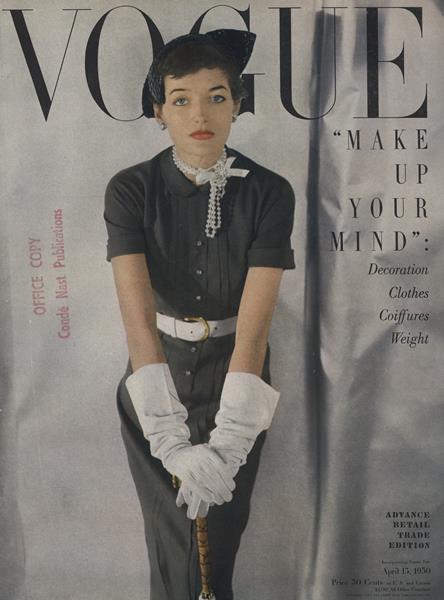
1950 Naturally with the evolution of the camera photography soon replaced the hand drawn covers. During the 1950's the new look focused was on extreme femininity of women, like tiny waists and large skirts and Hollywood glamour.
1970 Unlike the 50's focus on stiff glamour the 70's focused on youth culture. They did articles on miniskirts and the "London Look". The high end magazine captured the freedom and rebellion era through expensive high end glamour called jet-style.
1980 The 80s covers were filled with Power Suits and "Grunge." This was also the Supermodel Era the magazines made the models more famous than the clothes.
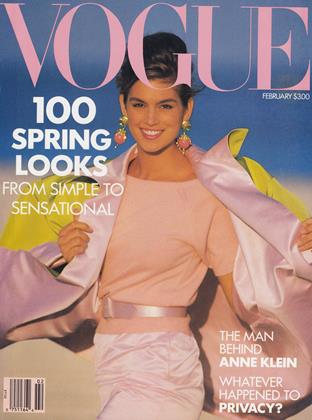
Late 1990-2000 In the early 2000's vogue expanded into teen vogue and captured the entire family lifestyle. Covers were filled with modern celebrity like Cindy Crawford and many more.
SOUCES






No comments:
Post a Comment